Carrying a Balance With a Major Bank? Use the October Fresh Start Program To Eliminate Up to 50% of Your Credit Card Debt.
Thousands of Americans are using The Fresh Start Program to cut what they owe, without bankruptcy or a new loan. See how much you could save below. It only takes about 60 seconds.
- $19B+
- Debt resolved since 2002
- 1M+
- Clients served nationwide
- A+
- BBB Rated
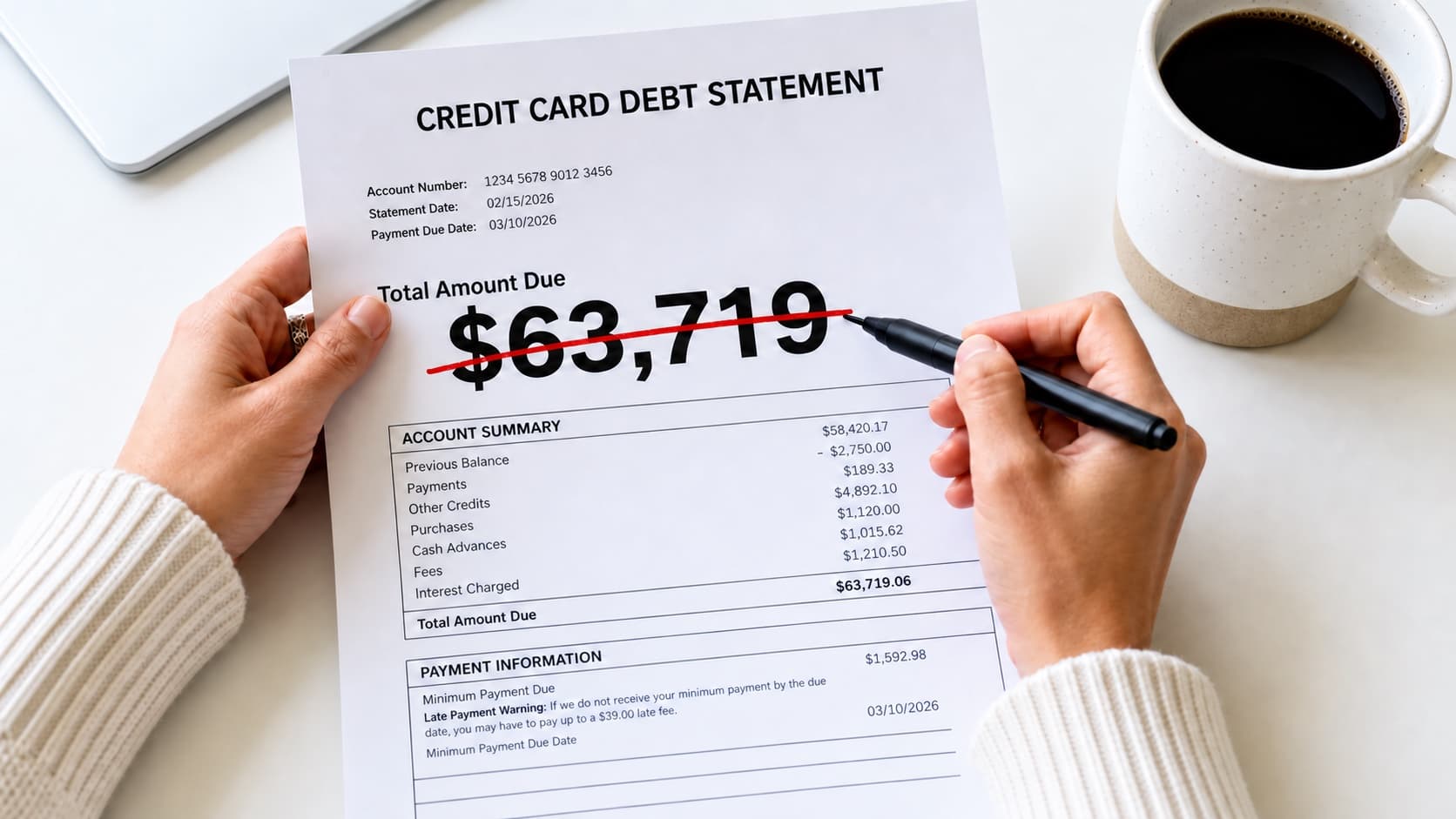
If you carry a balance on a card from one of the big banks, you already know how it works: you pay every month and the balance barely moves. That isn't an accident. Credit card interest is one of the most profitable businesses in banking, and the biggest card issuers earn billions every year from cardholders who carry a balance. Your bank wants you to believe the only ways out are to keep paying or to file bankruptcy. But a growing number of cardholders are using a third option the big banks don't advertise.
“The big banks don't make their money from people who pay in full. They make it from people who carry a balance, month after month.”
⚠ How the big banks keep you paying
- Low minimums keep you paying for years. A small minimum feels manageable, but it keeps your balance, and the bank's interest income, alive for years.
- Rates sit near record highs. Average card APRs are above 20%, while the same banks pay savers a fraction of that.
- They don't advertise that balances get settled. Card issuers regularly accept less than the full balance. They just don't put that on your statement.
So how are cardholders fighting back?
Instead of paying the big banks on their terms, they're using The October Fresh Start Program, a regulated debt-resolution program, to negotiate what they owe with their card issuers, often settling for less than the full balance, without filing bankruptcy or taking out a new loan.
These programs operate under state licensing and federal consumer-protection rules, including an FTC rule that bars debt-relief companies from charging you a fee until they've actually settled a debt. A bank would usually rather accept a negotiated amount than risk collecting nothing at all. That's the leverage the big banks would rather you never knew you had. You aren't just paying their interest. You're working to reduce the balance itself.
⏱ Time-Sensitive
This program has income and debt requirements. If you owe $20,000 or more in unsecured debt (credit cards, personal loans, or medical bills), check your eligibility before your bank posts another month of interest.
“Is this really legal? Can I trust it?”
Yes. Over a million Americans have used this process to address $19+ billion in debt since 2002. It isn't magic. It's a legal negotiation, and under federal rules a debt-relief company can't charge you a fee until it has actually settled a debt on your behalf.
- 🔒 100% confidential
- ◷ Won't affect your credit to check
- ✓ Free & no obligation
Thousands of people check their eligibility every week.